What Employees Notice First When They Walk Into a Corporate Office
Discover how corporate office architects San Diego shape first impressions, improve productivity, and design better workplace experiences.
6/8/20264 min read
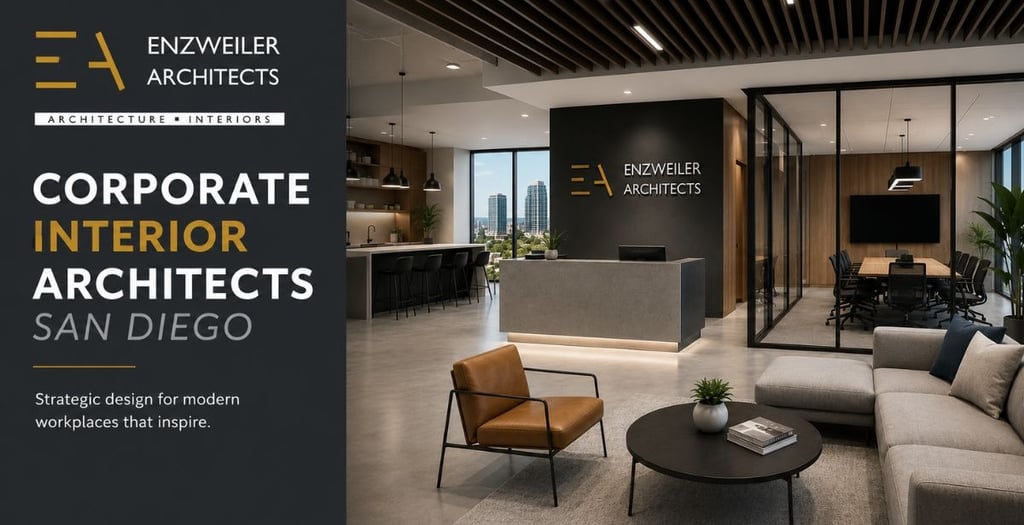
Summary: Employees quickly form impressions the moment they enter a corporate office, based on layout, lighting, comfort, and overall flow. A well-designed workspace improves productivity, reduces stress, and enhances engagement. Thoughtful architecture ensures smooth movement, balanced interiors, and functional efficiency, creating an environment where employees feel comfortable, focused, and motivated throughout the workday.
The moment someone steps into a workplace, their mind starts forming opinions instantly. It is not intentional; it just happens within seconds. Studies show that well-designed workplaces can improve productivity by up to 20 percent, which makes first impressions far more important than most businesses realize. Lighting, layout, air quality, noise levels, and openness all shape how a space feels. This is why corporate interior architects San Diego focus on creating environments that immediately support comfort, clarity, and performance from the very first step.
First impressions shaped by entry experience
The entrance of an office is the first thing employees notice, and it quickly sets the mood for the rest of the day. People can instantly tell if the space feels open, organized, or messy. A cluttered entrance can create stress right away, while a clean and well-arranged reception area helps people feel calm and comfortable.
Lighting also plays a big role here. Natural light or well-balanced artificial lighting makes the space feel brighter and easier on the eyes. It can also improve mood and help people feel more focused. Research shows that employees working in well-lit spaces often feel less tired and more productive.
This is where corporate interior architects San Diego design becomes important, making sure every detail, from layout to lighting, helps employees settle into a positive and focused mindset as soon as they walk in.
Workspace flow and movement efficiency
Once inside, employees quickly observe how easy it is to move through the office. They subconsciously evaluate whether the layout supports natural movement or creates confusion. A poorly planned office often leads to wasted time, distractions, and unnecessary friction between tasks.
On the other hand, efficient layouts improve daily workflow and reduce mental load. Studies suggest that poorly designed office environments can reduce productivity by up to 15 percent due to constant interruptions and inefficient movement. This is where corporate office architects San Diego bring structure and clarity, designing spaces that guide movement instead of restricting it.
Good workspace flow is not only about walking paths or open areas. It is about how different zones connect with each other. For example, collaboration spaces should be close enough for quick access, but not so close that they disturb focused work. When this balance is done right, employees naturally move through the day without unnecessary interruptions.
Another important factor is visibility and accessibility. Employees should not feel lost or confused when finding meeting rooms, workstations, or shared areas. Clear zoning, smart placement of furniture, and intuitive layouts help reduce stress and save time. Over a full workday, these small improvements add up and create a noticeable boost in productivity and comfort.
Interior environment and daily comfort
How a workspace feels has a big impact on how employees perform each day. Most people do not even notice it, but things like lighting, colors, furniture, and sound all affect mood and focus. If the space feels too harsh, too noisy, or too dull, people get tired faster and lose concentration.
A well-designed office feels balanced and calm. Soft colors can make the space feel more comfortable, while simple neutral tones help people stay focused. Good sound control also matters because less noise means fewer distractions and better concentration.
Research shows that over 70 percent of employees say their workplace environment directly affects how happy they feel at work. This clearly shows that good interior design is not just about looks; it plays a big role in how people think, feel, and work every day.
Functional design and workplace efficiency
Beyond appearance, employees quickly assess how functional the office really is. They notice whether meeting rooms are accessible, workstations are logical, and collaborative spaces are easy to use. If the design feels complicated, it slows down work without anyone realizing why.
This is where strategic planning becomes essential. Corporate office architects San Diego study how teams actually work before designing layouts. They build environments that balance collaboration with focus, ensuring that each space serves a clear purpose. When design aligns with workflow, employees experience less friction and higher efficiency throughout the day.
At Enzweiler Architects, we focus on creating workplaces that feel natural to use. When design works quietly in the background, people perform better without extra effort.
Final Remarks
Employees notice much more than décor when they enter an office. They experience how the entire environment works together. From entry design to movement flow, lighting, and functionality, every detail influences comfort and performance. A well-designed workspace reduces stress, improves focus, and supports productivity naturally. When architecture is done right, it does not demand attention; it quietly improves how people work every day.
FAQs
1. Why is first impression important in a corporate office?
First impressions shape how employees feel about their workplace. A welcoming environment builds comfort and confidence, while poor design can create stress and reduce engagement from the start of the day.
2. How does office design affect employee productivity?
Office design impacts movement, comfort, and focus. A well-planned layout reduces distractions and improves workflow, helping employees complete tasks more efficiently and with less effort.
3. What role does interior design play in workplaces?
Interior design influences mood, energy, and comfort. Lighting, color, and materials all affect how employees feel, which directly impacts focus and long-term productivity.
4. Why is space planning important in offices?
Space planning ensures smooth movement and proper use of areas. It helps separate collaboration zones from quiet areas, improving both teamwork and concentration.
5. How often should office interiors be updated?
Most office interiors should be refreshed every five to eight years. This keeps the workspace modern, efficient, and aligned with changing work styles and technology.
Enzweiler Architects
© 2026 Enzweiler Architects All rights reserved.


San Diego, CA